
Bereik, impressies en mediawaarde vormen al jaren de standaard voor het beoordelen van sponsorships. Ze laten zien hoeveel mensen je hebt bereikt, maar vertellen weinig over wat er daarna gebeurt. Verandert blootstelling aan een sponsorship ook hoe mensen naar een merk kijken? En draagt die zichtbaarheid daadwerkelijk bij aan merkgroei?
Nieuw onderzoek van Kantar's THX-oplossing biedt daar een nieuw perspectief op. Door passief mediagedrag van meer dan 50.000 consumenten in acht markten te meten, kon worden vastgesteld welke mensen daadwerkelijk aan WK-content waren blootgesteld. In combinatie met Brand Power-data ontstaat zo een veel scherper beeld van de werkelijke bijdrage van sponsorships aan merkgroei. De resultaten laten zien dat blootstelling aan WK-content samenhangt met sterkere merkprestaties en een hogere merkbekendheid.
De boodschap is duidelijk: grote culturele momenten doen meer dan aandacht genereren. Wanneer merken op een relevante manier aanwezig zijn, draagt sponsorship bij aan een sterkere Brand Power. Dat sluit aan bij een recente observatie van Kantar-CEO Paul Zwillenberg in Ad Age. De merken die het meeste waarde uit het WK halen, zijn niet automatisch de merken met het grootste bereik. Het zijn vaak de merken die de sterkste connectie met fans weten op te bouwen.
Van zichtbaarheid naar inzicht
Het WK wordt gevolgd via een steeds meer versnipperend medialandschap. Fans schakelen tussen live-uitzendingen, streamingdiensten, sociale media en gedeelde kijkmomenten. Daardoor wordt het steeds lastiger om nauwkeurig vast te stellen wie daadwerkelijk met een sponsorship in aanraking komt. Zeker wanneer je volledig afhankelijk bent van wat mensen zich achteraf herinneren.
Om dat beter te begrijpen maakte Kantar gebruik van de passieve crossmedia-meetmethode van THX. Daarbij werden consumenten die daadwerkelijk aan WK-content waren blootgesteld vergeleken met vergelijkbare doelgroepen die dat niet waren. Niet op basis van herinnering of zelfrapportage, maar op basis van geobserveerd mediagedrag over verschillende kanalen heen. Zo ontstaat een realistischer beeld van de relatie tussen blootstelling en merkprestaties.
De analyse werd gekoppeld aan Kantar's Brand Power-framework, dat kijkt naar de mate waarin merken als Meaningful, Different en Salient worden gezien. Daarmee gaat het onderzoek verder dan zichtbaarheid alleen en wordt duidelijk hoe blootstelling samenhangt met Brand Power.
Wat gebeurt er na blootstelling?
De resultaten laten een duidelijke samenhang zien tussen blootstelling aan WK-content en sterkere merkprestaties.
De belangrijkste uitkomst is tegelijk de meest voor de hand liggende. In alle acht onderzochte markten scoorden consumenten die daadwerkelijk aan WK-content waren blootgesteld sterker op Brand Power dan vergelijkbare consumenten die dat niet waren. Gemiddeld lag de merkbekendheid (Salience) onder blootgestelde doelgroepen 3,4 procentpunt hoger. Het mentale verband tussen merk en toernooi werd daarmee aantoonbaar sterker.
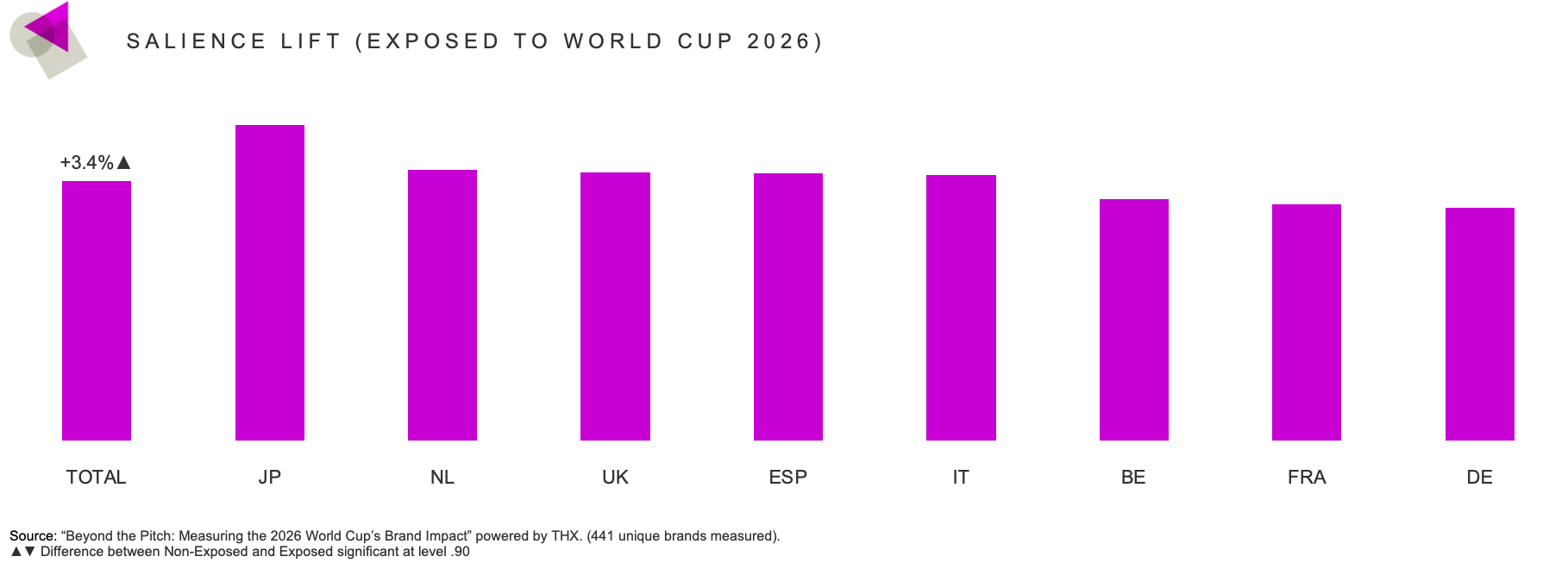
De stijging was niet alleen zichtbaar in merkbekendheid. Sponsorships worden vaak beoordeeld op zichtbaarheid, maar de resultaten laten zien dat blootstelling ook kan samenhangen met andere bouwstenen van een sterk merk. In verschillende gevallen zagen blootgestelde consumenten merken niet alleen sneller terug, maar beoordeelden zij deze ook als relevanter en onderscheidender. Dat is belangrijk, omdat Kantars onderzoek naar merkgroei al jaren laat zien dat Meaningful Difference een belangrijke aanjager is van toekomstige groei.
Ook de omvang van het onderzoek vergroot het vertrouwen in deze bevindingen. Waar de effectiviteit van sponsorships vaak wordt afgeleid uit losse cases of vragenlijstonderzoek, is hier gekeken naar daadwerkelijk mediagedrag. Daarmee verschuift de focus van het schatten van sponsorwaarde naar het meten van sponsorimpact.
Opvallend is bovendien dat de effecten niet beperkt bleven tot traditionele sportcategorieën. Positieve sponsorimpact werd zichtbaar in verschillende sectoren. Dat benadrukt dat het WK veel meer is dan een sportevenement. Het is een van de weinige momenten waarop grote groepen mensen wereldwijd tegelijkertijd naar hetzelfde kijken, reageren en meebeleven. Voor merken uit allerlei categorieën ontstaat daardoor een kans om hun relatie met consumenten te versterken.
Coca-Cola laat zien wat activatie kan doen
Een case uit Nederland en België maakt duidelijk hoe sponsorship meer kan worden dan alleen zichtbaarheid.
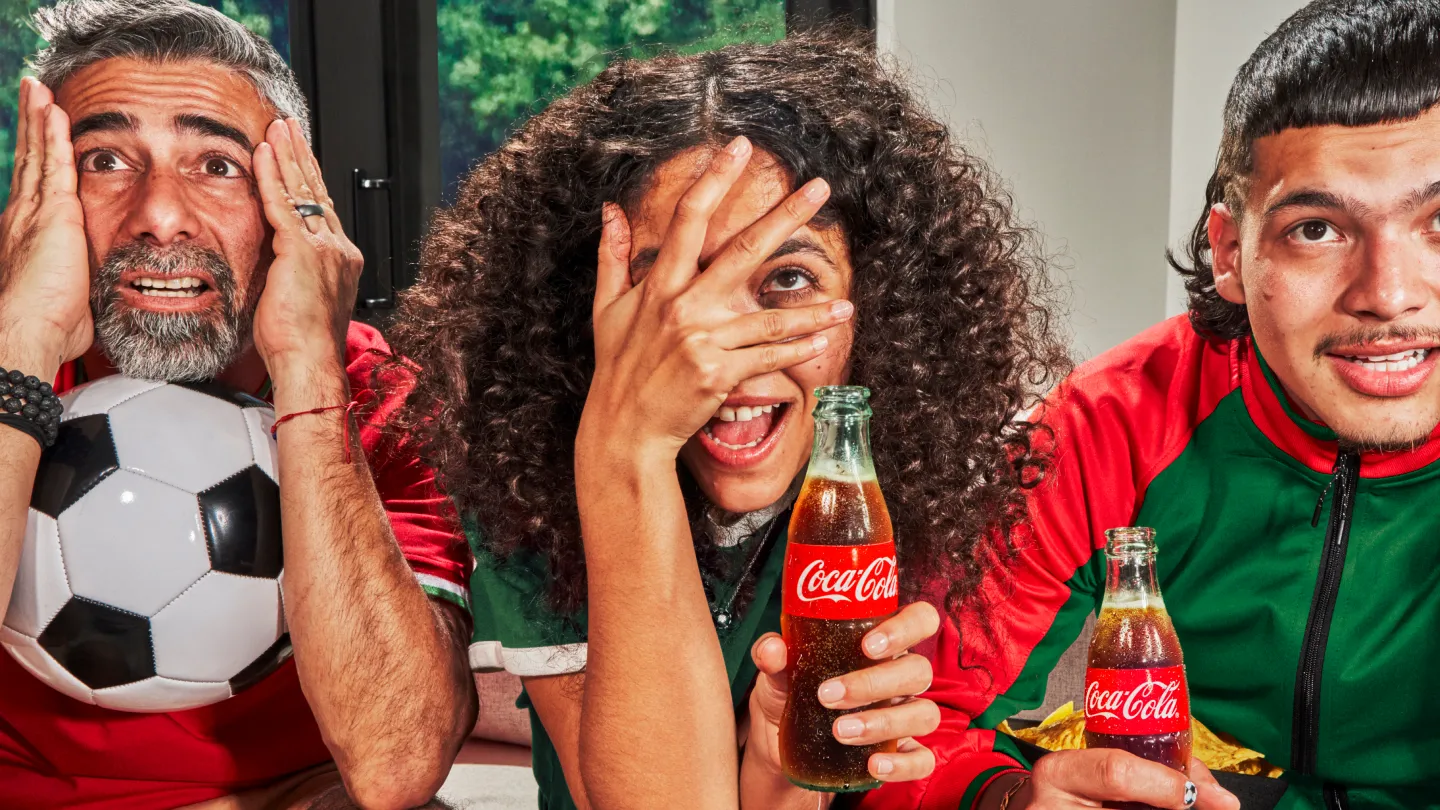
Onder consumenten die daadwerkelijk aan WK-content waren blootgesteld, liet Coca-Cola een van de sterkste stijgingen in merkbekendheid (Salience) zien. De associatie tussen het merk en het FIFA WK voetbal werd hierdoor aanzienlijk sterker.
Dat laat een belangrijk verschil zien. De waarde van een sponsorship ontstaat niet vanzelf doordat een merk zichtbaar is. Merken profiteren vooral wanneer die zichtbaarheid wordt ondersteund door consistente activatie, sterke creatie en aanwezigheid op momenten die ertoe doen voor fans.
Coca-Cola bevestigt daarmee een bredere conclusie uit het onderzoek: zichtbaarheid alleen is niet genoeg. De merken die het meeste voordeel halen uit een sponsorship zijn niet per definitie de merken met het grootste bereik, maar vaak de merken die de sterkste mentale connectie met fans weten op te bouwen. Dat beeld sluit aan bij de bredere prestaties van het merk. Coca-Cola Europacific Partners rapporteerde tijdens de WK-periode een omzetgroei van 6,4% in Frankrijk, de Benelux en Scandinavië. Hoewel commerciële resultaten door veel factoren worden beïnvloed, onderstreept de combinatie van sterke merkgroei in het onderzoek en positieve bedrijfsresultaten de waarde van het opbouwen van duurzame merkassociaties.
Sponsorship meten op wat echt telt
Het FIFA WK blijft een van de krachtigste podia die een merk zich kan wensen. Dit onderzoek laat zien dat de waarde van sponsorship zich niet laat vangen in bereik, impressies of mediawaarde alleen.
Voor marketeers betekent dat een belangrijke stap vooruit. Door passieve crossmedia-blootstellingsdata te combineren met Brand Power-uitkomsten ontstaat een beter beeld van de werkelijke bijdrage van sponsorships aan merkgroei. De vraag verschuift daarmee van hebben mensen een sponsorship kunnen zien? naar heeft die blootstelling het merk daadwerkelijk versterkt?
Grote culturele momenten creëren kansen. De uitdaging is om die kansen om te zetten in blijvende merkwaarde. Hoe beter merken begrijpen wat blootstelling daadwerkelijk oplevert, hoe beter zij toekomstige sponsorship-investeringen kunnen onderbouwen.
Meer over het WK 2026
- Seizing the World's Biggest Sporting Moment: World Cup 2026 – waarom dit toernooi een van de krachtigste marketingplatformen voor merken blijft.
- What the World Cup Reveals About Building Enduring Brands – hoe het WK op wereldwijde schaal betekenis (Meaning), onderscheidend vermogen (Difference) en zichtbaarheid (Salience) creëert.